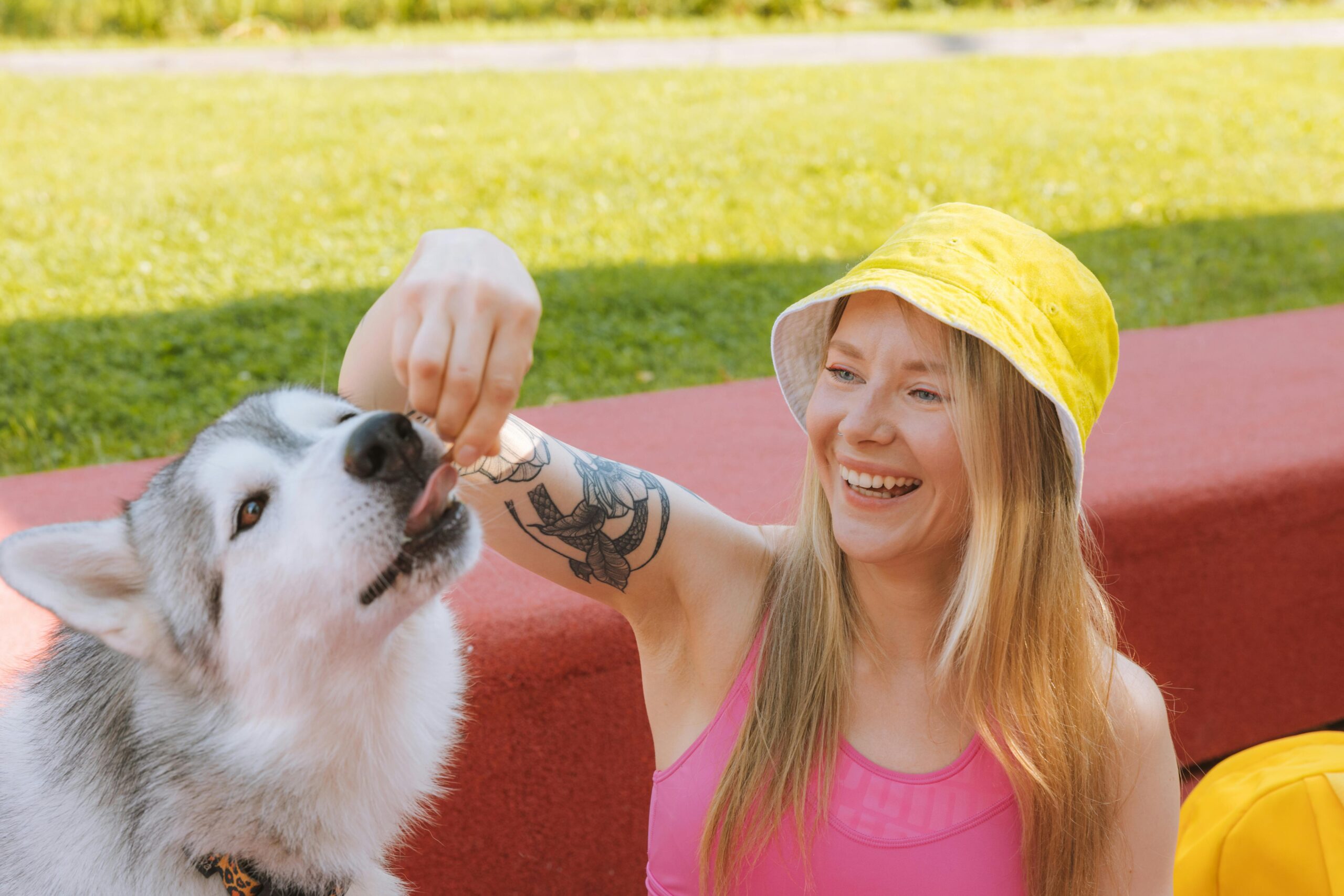
Dog Feeding Schedule and Nutrition: Expert Tips for London Pet Owners
As a pet owner in London, ensuring your dog is healthy and well-nourished is a top priority. One of the most important aspects of maintaining your dog’s health is establishing a proper dog feeding schedule and providing the right nutrition. A balanced diet, along with a consistent feeding routine, helps maintain your dog’s energy levels, supports healthy growth, and keeps them happy and active.
In this article, we will provide expert tips on creating the ideal feeding schedule for your dog and offer advice on what to feed them to ensure they get the nutrients they need. We’ll also discuss how your dog’s diet and a clean environment go hand-in-hand and why ScoopyPoop’s pet waste removal services can help make your life easier as a pet owner.
1. Why a Proper Dog Feeding Schedule is Crucial for London Pet Owners
The first step in maintaining your dog’s health is to establish a consistent dog feeding schedule. Dogs thrive on routine, and regular meals at the same time each day provide structure to their day. A proper schedule helps regulate your dog’s digestion, metabolism, and overall health. By creating a feeding schedule, you can avoid overfeeding or underfeeding, both of which can lead to health problems like obesity or malnutrition.
Tip: Most adult dogs should be fed twice a day, with puppies requiring more frequent meals (three to four times a day). Always check with your veterinarian for personalized advice.
2. Understanding Your Dog’s Nutritional Needs
Dog nutrition can be complicated, but knowing the basics can go a long way toward keeping your pet healthy. Dogs require a balanced diet that includes protein, fats, carbohydrates, vitamins, and minerals. The right mix of these nutrients depends on your dog’s age, breed, weight, and activity level. For example, active dogs or working breeds may require more protein, while senior dogs might benefit from a diet that is lower in calories.
When choosing food for your dog, look for high-quality commercial dog food or consult with your vet about homemade diets. The ingredients should be high in real meat, vegetables, and healthy fats, with limited fillers like corn and soy.
Tip: Always read food labels carefully to ensure the product meets your dog’s specific nutritional requirements. If you’re unsure, don’t hesitate to consult your vet for guidance.
3. Portion Control: How Much Should You Feed Your Dog?
Determining the right portion size is essential to maintaining your dog’s health. Overfeeding can lead to obesity, while underfeeding can result in malnutrition. The appropriate portion size depends on your dog’s size, age, and activity level. Most dog food brands will provide guidelines on the packaging, but these are just general recommendations.
To get a more accurate idea, consider using a dog feeding chart based on your dog’s weight, or consult with your vet to ensure you’re feeding the right amount. Regularly monitor your dog’s weight to adjust their portions as necessary.
Tip: If you’re feeding your dog dry food, be sure to measure portions accurately using a standard cup. For wet food, use the feeding recommendations on the can.
4. Dog Feeding Schedule and Nutrition: Tailoring the Diet to Your Dog’s Life Stage
As your dog grows, their nutritional needs will change. Puppies, adult dogs, and senior dogs all have different dietary requirements, and understanding these changes is key to keeping your dog healthy.
- Puppies: They require more calories, protein, and fat to fuel their rapid growth and development. Feed them a high-quality puppy food formulated for their specific needs.
- Adult Dogs: Once your dog reaches adulthood, their calorie needs level out, and their diet should shift to maintain a healthy weight.
- Senior Dogs: Older dogs often need fewer calories but may need more fiber to aid digestion and maintain a healthy weight. Senior dog food formulas are typically lower in fat and calories.
Tip: Consult your vet regularly to adjust your dog’s diet as they transition through different life stages.
5. The Importance of Hydration: Keeping Your Dog Hydrated Alongside a Proper Dog Feeding Schedule
Just as food is important, so is hydration. Dogs need access to clean, fresh water at all times, especially if they are eating dry food, which can lead to dehydration if not properly hydrated. A dog’s water intake should be monitored, and their bowl should be cleaned regularly to prevent bacteria buildup.
Make sure to provide water after meals and throughout the day to help with digestion and overall health. Some dogs may prefer a water fountain, which encourages them to drink more water by providing fresh, running water.
Tip: During hot weather or after physical activity, ensure your dog has extra water to avoid dehydration.
6. Dog Feeding Schedule and Nutrition: How to Avoid Common Feeding Mistakes
Many pet owners make common feeding mistakes that can affect their dog’s health. These mistakes can include feeding the wrong type of food, overfeeding, or not providing enough variety in their dog’s diet. Here are some common mistakes to avoid:
- Feeding the wrong food: Some human foods can be toxic to dogs. Avoid feeding them chocolate, grapes, onions, or fatty foods.
- Overfeeding: Ensure your dog is not eating too much, as this can lead to obesity, a serious health issue.
- Not consulting a vet: Every dog is unique, and their nutritional needs may change due to factors like health conditions, activity level, and age. Always consult with a vet to develop the best diet plan.
Tip: Regularly assess your dog’s weight and activity level to make sure their feeding schedule and nutrition align with their health.
7. Balancing Commercial and Homemade Dog Food
Many dog owners in London debate whether to feed their pets commercially available dog food or prepare homemade meals. Both options can be good choices, but they come with pros and cons. Commercial dog foods are formulated to provide balanced nutrition, but they can contain fillers and preservatives. Homemade meals, on the other hand, give you more control over the ingredients but require careful planning to ensure your dog gets all the essential nutrients.
Tip: If you’re considering homemade dog food, consult your vet to create a well-balanced meal plan tailored to your dog’s nutritional needs.
8. Dog Feeding Schedule and Nutrition: The Role of Treats and Supplements
While treats and supplements are a great way to show your dog love, they should be given in moderation. Treats should account for no more than 10% of your dog’s daily caloric intake. Overuse of treats can lead to weight gain and poor nutrition.
Some dogs may also benefit from dietary supplements, such as omega-3 fatty acids, glucosamine, or probiotics, to support their joints, coat, and digestive health. Always check with your vet before adding supplements to your dog’s diet.
Tip: Use healthy treats made with high-quality ingredients like lean protein and vegetables to ensure they’re beneficial.
9. The Benefits of a Clean Yard and Dog Waste Management
Maintaining a clean yard is just as important as managing your dog’s feeding schedule. Pet waste can pose health risks and attract pests. Keeping your yard clean not only protects your dog’s health but also creates a more enjoyable environment for playtime.
ScoopyPoop, based in London, provides professional pet waste removal services that take the hassle out of maintaining a clean yard. By scheduling regular waste removal, you can ensure that your dog has a safe, clean space to play and exercise. Our services help create a healthier environment for both you and your dog, so you can focus on feeding, nutrition, and fun activities.
Tip: Contact ScoopyPoop for hassle-free waste removal, and keep your yard in top condition for your dog.
Conclusion
Establishing a proper dog feeding schedule and ensuring your pet receives balanced nutrition are essential for their long-term health and well-being. By understanding your dog’s specific dietary needs, offering consistent meals, and maintaining a clean environment, you will provide your dog with the best care possible.
Remember, a balanced diet and a clean yard go hand in hand when it comes to promoting a healthy lifestyle for your dog. To make your life easier as a pet owner in London, consider using ScoopyPoop’s professional pet waste removal services. Focus on what matters most—spending quality time with your dog—while we take care of the dirty work.
For more information on our services, visit ScoopyPoop’s website and get in touch today!

