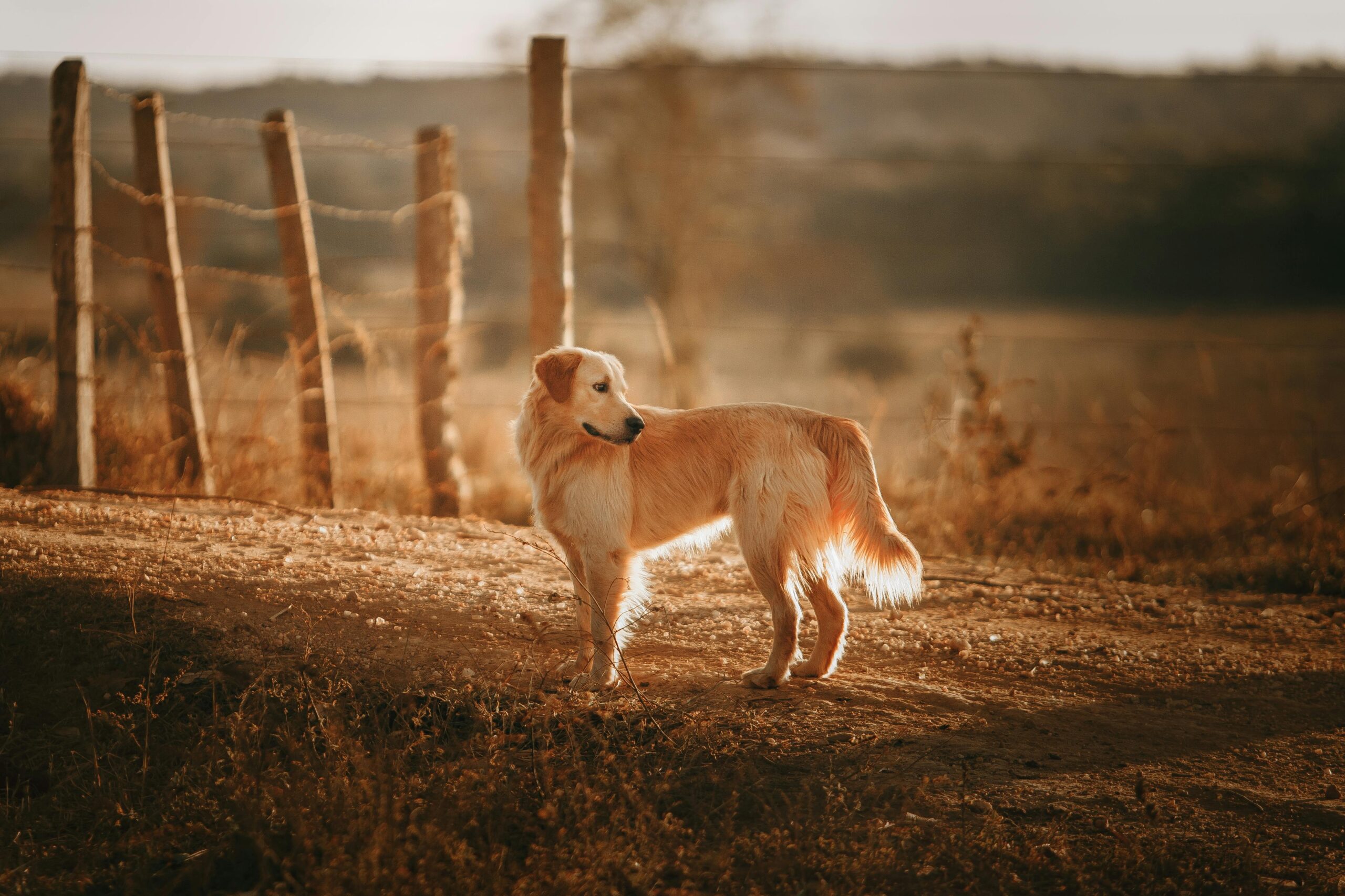
Dog walking is a beloved pastime for residents of Surrey, especially in the region’s scenic countryside and farmland. But while it’s wonderful to enjoy nature with your furry companion, not all dog owners understand the impact of dog waste on Surrey farms. Left unmanaged, dog poo can pose serious risks to livestock, the environment, and even local water sources.
In this article, we’ll explore how dog waste affects farms in Surrey, why it’s important to pick up after your pet, and what landowners and dog walkers can do to help. We’ll also discuss how ScoopyPoop, Surrey’s trusted pet waste removal service, offers practical support for rural areas looking to stay clean, safe, and biosecure.
1. The Environmental Impact of Dog Waste on Surrey Farms
The impact of dog waste on Surrey farms is often underestimated. Unlike manure from cows, horses, or sheep, dog waste is not a natural fertilizer. It contains pathogens that can harm soil health and contaminate crops. Dog waste may also contain excess nitrogen and phosphorus, which upset the natural balance of nutrients in the soil and lead to water pollution when washed into rivers and streams.
Key facts:
- Dog faeces can take over a year to break down naturally.
- Each gram of dog poo can contain up to 23 million fecal bacteria.
- When left behind, waste washes into local water systems, increasing the risk of algae blooms and harming aquatic life.
Tip: Always carry compostable dog poo bags and dispose of waste in designated bins—even when walking in seemingly remote areas.
2. How Dog Waste Affects Livestock Health
One of the most serious effects of the impact of dog waste on Surrey farms is the threat it poses to livestock. Dog poo can contain Neospora caninum, a parasite that causes abortions in cattle. It can also spread Toxocara canis, which can be transmitted through contaminated grass, soil, or feed.
If a dog defecates in a pasture and a cow later consumes that grass, the health consequences can be devastating—both medically and financially—for farmers.
Livestock risks linked to dog waste:
- Abortions in pregnant cattle
- Lameness or digestive issues in grazing animals
- Contaminated hay or silage if waste is not spotted and removed
Tip: Always keep dogs on a lead when walking near livestock and avoid allowing them to roam through grazing fields.
3. Public Rights of Way and Dog Walking Responsibilities
Surrey has hundreds of miles of public footpaths, many of which pass directly through working farmland. While these access rights are cherished, they also bring responsibilities. The Countryside Code advises all dog owners to clean up after their pets at all times, even in open fields.
Unfortunately, not everyone complies. Bags are sometimes discarded on fence posts, hedgerows, or simply left on the ground—creating health hazards for both wildlife and humans.
Did you know?
- Bagged waste left behind is just as harmful as unbagged poo.
- Some farmers have reported needing to remove 100+ bags of waste each month from their fields.
Tip: Use dog-walking routes that have waste bins along the way or take filled bags home if bins are unavailable.
4. The Role of Education in Reducing the Impact of Dog Waste on Surrey Farms
Combating the impact of dog waste on Surrey farms isn’t just about enforcement—it’s about education. Many dog owners simply don’t realise the damage that pet waste can cause to crops, livestock, and the rural environment. Local councils and countryside organisations are now working more closely with landowners to raise awareness through signs, social media, and community outreach.
By educating walkers about the consequences, we can help build a culture of respect and responsibility.
Tip: Share this article with your local walking group or dog-friendly Facebook page to spread the word!
5. How ScoopyPoop Supports Farm Owners and Rural Estates
Whether you’re a smallholder, a large-scale farmer, or a countryside estate manager, you know how difficult it can be to stay on top of dog waste left by visitors or trespassers. That’s where ScoopyPoop comes in. Our professional pet waste removal service in Surrey helps keep your land clean, safe, and compliant with environmental regulations.
We offer:
- Scheduled waste removal for fields, trails, or dog-friendly zones
- One-off cleanups after events or seasonal peaks
- Biosecure handling and disposal to prevent cross-contamination
- Discreet, efficient service with minimal disruption
By managing the mess, we give you more time to focus on what matters—your land, your animals, and your livelihood.
Tip: Get in touch with ScoopyPoop for a free consultation on rural waste removal solutions.
6. The Hidden Costs of Dog Waste for Surrey Farms
While the sight of a few dog droppings might seem like a minor issue, the cumulative cost can be significant for farmers. Not only is there the potential for lost livestock and contaminated feed, but there are also cleanup costs, public complaints, and even legal risks under environmental protection laws.
Dog waste can also damage the reputation of farms that open to the public or participate in agritourism. Visitors may be deterred if fields are littered with poo, and landowners may be reluctant to allow dogs on their property at all.
Hidden costs include:
- Vet bills from livestock illnesses
- Crop loss or damage
- Labour costs for waste removal
- Declining public access due to contamination
Tip: Encourage local councils or landowner groups to collaborate with professional services like ScoopyPoop for waste control across rural hotspots.
7. Sustainable Waste Disposal and Eco-Friendly Practices
One of the benefits of hiring a professional service like ScoopyPoop is that we prioritise eco-friendly waste disposal. We use compostable bags and partner with licensed disposal facilities to ensure that dog waste is processed safely and sustainably—never dumped or burned.
Our mission is to protect the countryside while supporting pet-friendly communities across Surrey. By managing the impact of dog waste on Surrey farms, we’re helping build a cleaner, greener future.
Sustainable practices we follow:
- Compostable collection materials
- Reduced carbon emissions through route planning
- Compliance with DEFRA and local waste handling guidelines
Tip: Choose waste removal providers that are environmentally conscious and committed to rural sustainability.
8. Best Practices for Managing Dog Walkers on Your Land
If you’re a farmer or landowner dealing with persistent dog fouling, there are several strategies you can adopt to reduce the impact of dog waste on Surrey farms.
Recommended practices include:
- Installing clear signage about dog waste and livestock safety
- Providing dog waste bins at popular access points
- Encouraging community enforcement through local dog-walking groups
- Partnering with waste removal services like ScoopyPoop for ongoing management
Working collaboratively with local councils and dog walkers ensures your land stays accessible and respected.
Tip: Use friendly but firm signage that explains why dog waste needs to be collected—highlighting the risk to farm animals can help change behaviour.
9. Dog Waste, Biosecurity, and Protecting Surrey’s Agriculture
Biosecurity is becoming an increasingly important issue for UK farmers, especially with the rise in zoonotic diseases and antibiotic resistance. Dog waste can act as a vector for disease transmission between animals, and contaminated pastures can remain infectious for months.
Managing the impact of dog waste on Surrey farms is not just about cleanliness—it’s about disease prevention and safeguarding agriculture. As more people flock to the countryside for recreation, proactive management becomes essential.
Tip: Consider fencing off vulnerable areas or working with ScoopyPoop to monitor high-traffic paths for waste accumulation.
Conclusion: Protecting the Countryside, One Poo at a Time
The impact of dog waste on Surrey farms is real—and growing. From threats to livestock and soil to hidden financial costs, the consequences go far beyond mere inconvenience. But with the right knowledge, cooperation, and tools, it’s a problem we can solve together.
Whether you’re a farmer, a landowner, or a responsible dog owner, your actions matter. By picking up after your dog and supporting professional services like ScoopyPoop, you’re helping to protect Surrey’s countryside for future generations.
Visit https://scoopypoop.co.uk to learn more about how we’re keeping rural Surrey clean—one poop scoop at a time.

