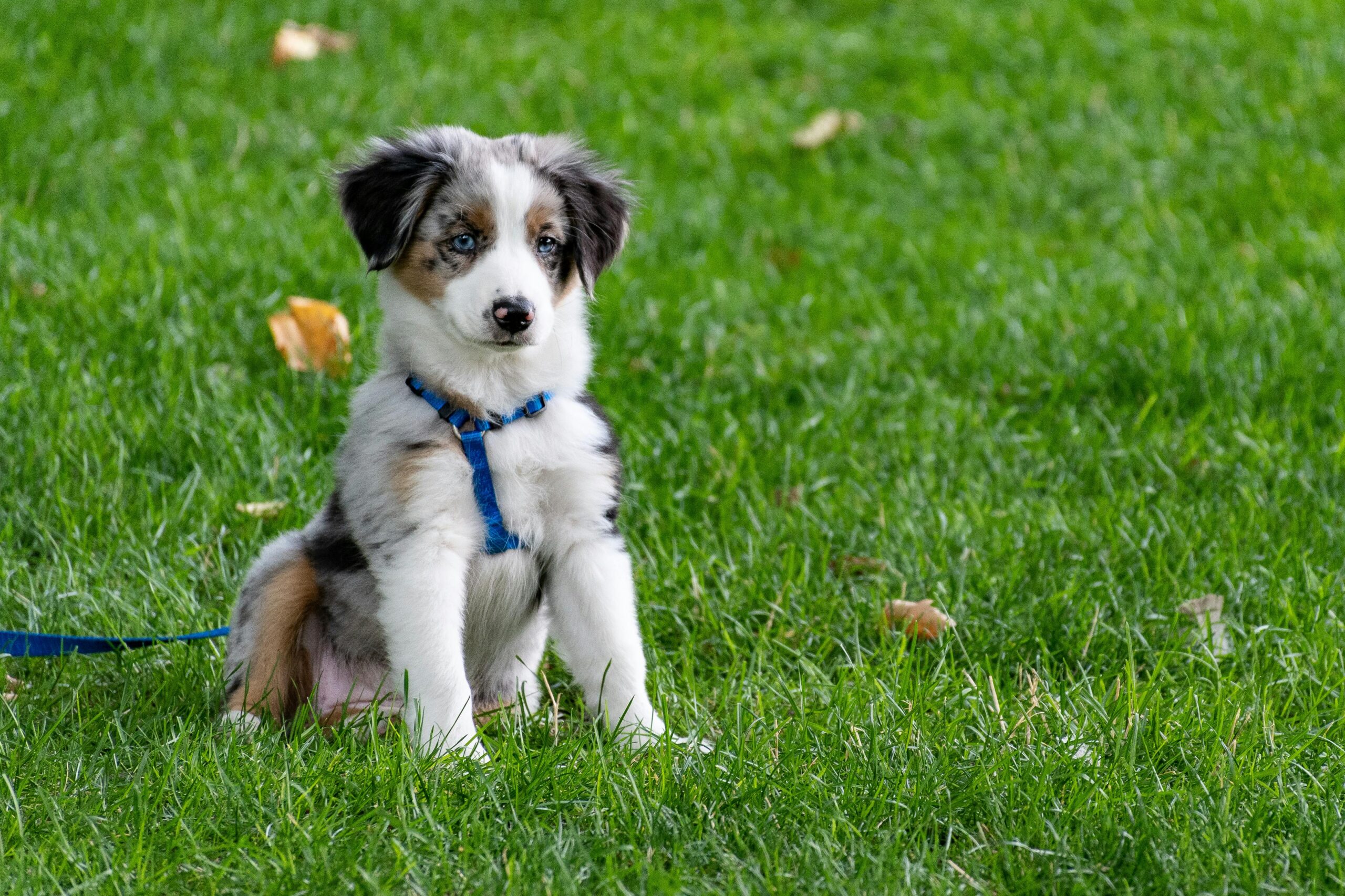
Dog poop lawn damage – what is it and how to prevent it.
As dog owners , we cherish the companionship, loyalty, and joy that our furry friends bring into our lives. But with great dog ownership comes a responsibility that often gets underestimated: cleaning up after them. While skipping the cleanup might seem harmless or just a minor inconvenience, there’s more at stake than you might think — especially when it comes to your lawn. In this article, we explain how dog poop damages your lawn and how to prevent it.
Dog poop isn’t just a smelly annoyance; it’s a genuine threat to the health and appearance of your garden. At ScoopyPoop, we’ve seen firsthand the damage dog waste can cause to lawns all over London, and we’re here to explain why it happens, what you can do to stop it, and how we can help keep your garden looking pristine year-round.
Dog Poop and Lawn Health: Dangers and Prevention Methods
1. Dog Poop Is Not Fertiliser
There’s a common myth that dog poop is similar to cow manure and can be used as fertiliser. Unfortunately, this couldn’t be further from the truth. Cow manure works as a fertiliser because cows are herbivores and their waste is rich in digested plant matter. Dogs, on the other hand, are omnivores, and their waste contains high levels of nitrogen and harmful pathogens.
Dog poop damages your lawn. High nitrogen content can burn grass, causing brown patches and dead spots on your otherwise green lawn. If you’ve noticed areas of your garden where the grass has yellowed or died, dog waste may be the culprit.
2. Pathogens and Parasites in Dog Waste
Dog feces can contain harmful bacteria and parasites, including:
- E. coli
- Salmonella
- Giardia
- Roundworms and hookworms
These pathogens don’t just pose a risk to your lawn — they’re a health hazard to humans, especially children who play in the garden and may come into contact with contaminated soil.
3. Soil Contamination
When dog poop is left to decompose into the soil, it alters the soil chemistry in a way that can hinder plant growth. It can:
- Kill off beneficial soil organisms
- Alter the pH balance
- Introduce unwanted weed growth due to imbalance in nutrients
This contamination makes it difficult for your lawn to absorb essential nutrients and water, leading to patchy, unhealthy grass over time.
4. Attracting Pests and Insects
Dog waste can attract flies, maggots, and other pests that feed on fecal matter. Over time, this can lead to infestations and increased problems in your garden. Worse still, these pests can carry disease from one pile of waste to another area of your garden or even into your home.
5. Aesthetic and Odour Problems
Even if you’re not particularly concerned about the health risks, no one wants to enjoy a garden filled with brown stains, bare patches, and the pungent smell of dog poop baking in the sun. It can ruin the outdoor experience for your family, guests, and neighbours.
The Impact of Dog Waste on Your Lawn and Ways to Protect It
1. Regular Waste Removal
The single most effective solution to dog poop damage is consistent removal. Don’t let waste sit for days or weeks. Aim to remove it daily or at least several times a week. This simple step prevents nitrogen burn, pathogen spread, and soil damage.
However, with busy schedules, not everyone has the time (or stomach) for this job. That’s where ScoopyPoop comes in. We offer professional, discreet, and affordable pet waste removal services across London, helping dog owners maintain a healthy and clean outdoor space without the hassle.
2. Training Your Dog to Use One Area
Train your dog to go in a designated area of your garden. This:
- Contains the potential damage to one spot
- Makes cleanup faster and easier
- Protects the rest of your lawn from harm
Consider using mulch or gravel in this area instead of grass, which is more resistant to damage and easier to clean.
3. Rinse After Pickup
If your dog goes on the grass, after picking up the waste, give the area a quick rinse with water. This helps dilute any remaining residue or urine, preventing nitrogen burn and reducing odour.
You can even use specialised pet-safe lawn deodorisers and enzyme cleaners to further break down bacteria and remove smells.
4. Aerate and Fertilise the Lawn
Proper lawn care can help reverse some of the damage caused by pet waste. Regular aeration, overseeding, and the use of balanced fertilisers (not high in nitrogen) can rejuvenate your lawn and encourage healthy grass growth.
Avoid using chemical fertilisers shortly after dog waste exposure, as this can compound nitrogen levels and worsen grass burn.
5. Hire a Professional Service Like ScoopyPoop
Let’s face it: cleaning up after your pet isn’t the most glamorous job, and many owners simply forget or put it off. By hiring a professional pet waste removal service like ScoopyPoop, you get:
- Consistent and reliable cleanup
- No more unpleasant chores
- A healthier, greener lawn
- Peace of mind for your family’s health
We offer weekly, bi-weekly, and one-time services for both residential and commercial properties across London.
Why Choose ScoopyPoop?
At ScoopyPoop, we believe every pet owner deserves a clean, safe, and poop-free garden. Here’s why our clients trust us:
🐾 London-Based and Locally Trusted
We’re proud to be a London-based company serving communities across the city. We understand the unique challenges of urban pet ownership and tailor our services to suit your needs.
🧹 Eco-Friendly and Responsible Disposal
We don’t just scoop — we dispose of pet waste responsibly in line with local environmental regulations. No more filling your bin with dog waste bags or worrying about hygiene.
🔒 Discreet, Professional, and Insured
Our team is fully insured, uniformed, and professional. We arrive on time, work discreetly, and leave your garden spotless.
📅 Flexible Scheduling
We offer flexible service plans to fit your lifestyle and your pet’s needs. Whether it’s once a week or more frequently, we’ve got you covered.
💸 Affordable Rates
Quality doesn’t have to break the bank. We offer competitive pricing without compromising on service.
Common FAQs About Dog Poop and Lawn Health
How quickly does dog poop damage grass?
Damage can begin within just a few days, especially in warmer months when decomposition is rapid. The longer waste sits, the more likely it is to kill grass and attract pests.
Can I compost dog poop?
While technically possible with specialised composters, dog waste should never be composted in traditional home compost bins due to the risk of spreading pathogens.
What if I have multiple dogs?
The risk and rate of lawn damage increase significantly with multiple dogs. A professional cleanup service becomes even more important to maintain a healthy garden.
Do you offer commercial services?
Yes! We service parks, apartment complexes, veterinary clinics, and dog-friendly businesses. Contact us for custom plans tailored to your location.https://scoopypoop.co.uk
Final Thoughts
Your lawn is more than just grass — it’s a space for your family, friends, and pets to enjoy. Dog poop may seem like a minor issue, but over time it can cause significant harm to your garden, your health, and your peace of mind.
By staying proactive, cleaning up regularly, and enlisting the help of a professional service like ScoopyPoop, you can enjoy a greener, cleaner, and safer lawn all year round.
Ready to Say Goodbye to Dog Poop?
Let ScoopyPoop take the mess off your hands — literally. Visit https://scoopypoop.co.uk to book your first cleanup, explore our service plans, or request a free quote.

