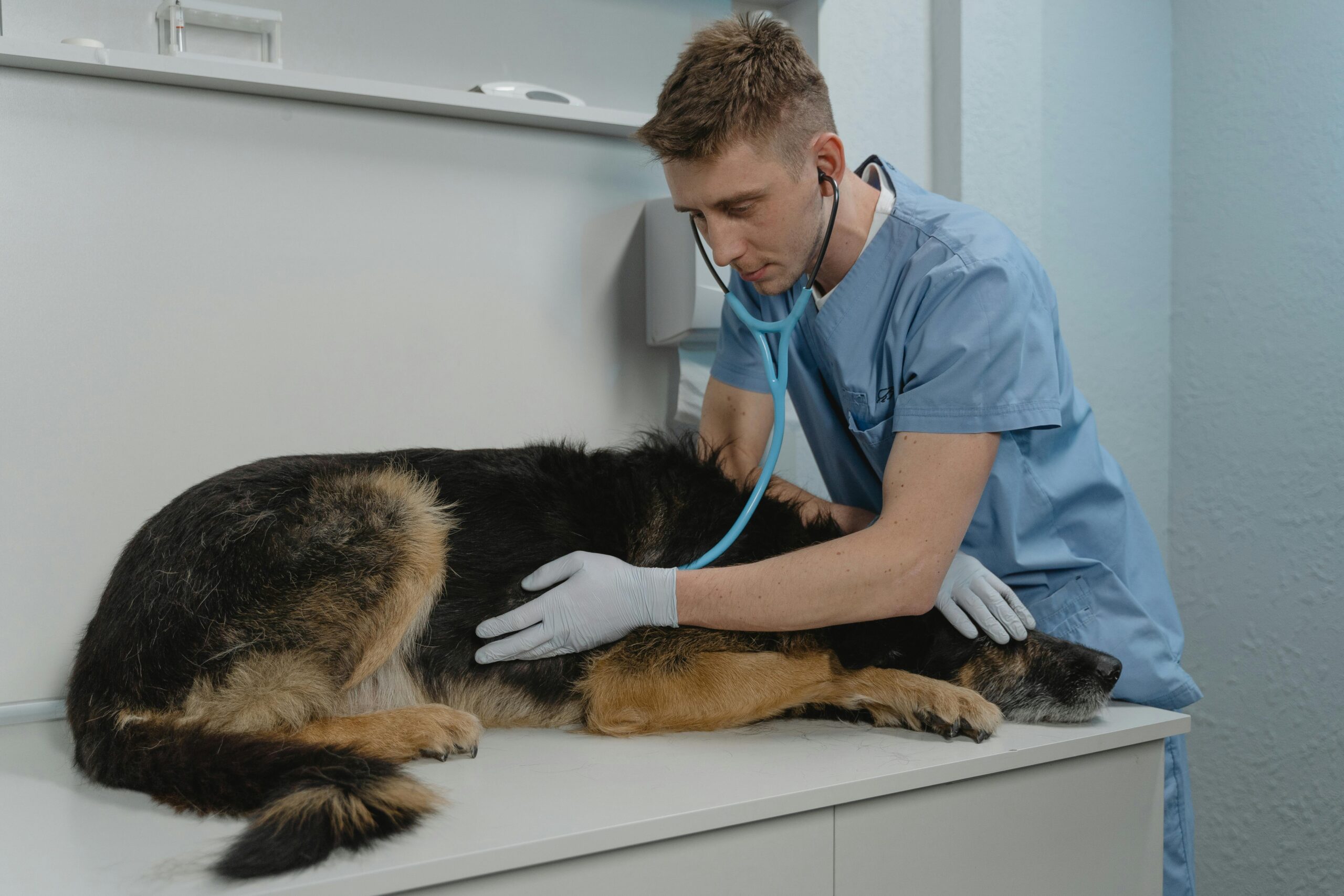
canine parvovirus prevention – expert tips from ScoopyPoop, London’s trusted pet waste removal service.
As a responsible dog owner, safeguarding your furry friend’s health is always a top priority. One of the most dangerous yet preventable threats dogs face—especially puppies and unvaccinated adults—is canine parvovirus. This highly contagious disease can be fatal if not promptly treated. But did you know that dog waste left on lawns and public spaces can be a major contributor to its spread?
At ScoopyPoop, London’s reliable pet waste removal service, we’re passionate about keeping dogs healthy and our city clean. In this in-depth guide, we’ll explore everything you need to know about parvovirus, including how to prevent it, and how regular waste removal services like ours can play a crucial role in protecting your pets and community.
What Is Canine Parvovirus?
Canine parvovirus (CPV) is a highly contagious virus that affects dogs’ gastrointestinal tracts. It spreads through direct contact with infected dogs or indirectly via contaminated surfaces, environments, and—critically—infected dog feces. The virus is extremely resilient and can live in soil or surfaces for months, even under harsh conditions.
Key Facts About Parvovirus
- Commonly affects puppies aged 6 weeks to 6 months.
- Can survive for up to a year in the environment.
- Transmitted through oral contact with infected feces, soil, or objects.
- Symptoms include lethargy, vomiting, diarrhea (often bloody), fever, and loss of appetite.
Without fast intervention, parvo can be fatal—with mortality rates reaching up to 91% in untreated cases.
How Does Dog Waste Contribute to the Spread of Parvovirus?
Dog feces from an infected animal are loaded with viral particles. If not removed properly, these particles contaminate lawns, parks, pavements, and even homes, exposing other dogs to infection.
This is where ScoopyPoop plays a vital role in interrupting the chain of transmission. Our professional pet waste removal services help ensure that your garden, public spaces, and walking routes are clean, safe, and hygienic for everyone.
Parvovirus Prevention: 10 Essential Tips for Dog Owners in London
1. Ensure Timely Vaccination
The most effective way to prevent parvovirus is to vaccinate your dog. Puppies should receive their first parvo vaccine between 6–8 weeks of age, followed by boosters until at least 16 weeks. Annual boosters help maintain immunity.
Ask your vet about a vaccination schedule tailored to your dog’s age and health.
2. Be Cautious with Unvaccinated Puppies
Until they’re fully vaccinated, puppies are extremely vulnerable. Avoid walking them in public parks or areas frequented by other dogs.
3. Avoid High-Risk Areas
Dog parks, communal gardens, and streets with visible feces are high-risk zones. Stick to clean, well-maintained areas, ideally serviced by waste removal professionals like ScoopyPoop.
4. Practise Good Hygiene at Home
Always disinfect food bowls, toys, and bedding. Wash your hands after handling any dog waste—even from your own dog.
5. Keep Your Garden Poop-Free
Infected feces can contaminate your lawn for months. ScoopyPoop offers regular poop-scooping services across London to help pet owners maintain sanitary gardens.
Book a weekly clean-up or one-time deep clean through ScoopyPoop.co.uk.
6. Educate Others in Your Household
Teach kids and family members not to touch unknown dog feces, and always clean up after your own dog—even on private property.
7. Clean Up Immediately After Accidents
If your dog has an accident inside, clean and disinfect the area thoroughly. Use bleach-based products to kill the virus.
8. Monitor for Symptoms
Keep an eye out for any warning signs, such as vomiting or diarrhea. If symptoms appear, isolate your dog and contact your vet immediately.
9. Avoid Contact with Sick Dogs
Never let your dog approach another dog that appears unwell or has visible signs of illness. Parvo can spread in just a few seconds of contact.
10. Partner with a Professional Pet Waste Removal Service
Routine removal of pet waste reduces environmental contamination. ScoopyPoop helps protect pets across London by keeping outdoor spaces clean, safe, and odour-free.
How ScoopyPoop Helps Prevent the Spread of Parvovirus in London
At ScoopyPoop, we’re more than just poop scoopers—we’re your partners in pet health and hygiene. Our services help prevent the spread of dangerous pathogens like canine parvovirus.
Here’s how we support your dog’s well-being:
- ✅ Scheduled weekly or one-off clean-ups to keep your garden sanitary
- ✅ Eco-friendly waste disposal to reduce environmental impact
- ✅ Service for both private gardens and commercial properties
- ✅ Professional, discreet, and friendly team
- ✅ Affordable plans for busy London dog owners
🐾 Whether you’re a homeowner, landlord, dog walker, or vet clinic, we’ve got a clean-up plan for you.
By eliminating infected waste quickly and efficiently, we help stop viruses from taking hold in your home or neighbourhood.
Why Pet Owners in London Trust ScoopyPoop
Our team at ScoopyPoop has earned the trust of hundreds of Londoners by delivering consistent, professional, and reliable service.
Our Google Reviews Speak for Themselves:
⭐ “Reliable and friendly – my garden has never been cleaner.”
⭐ “ScoopyPoop is a lifesaver for busy pet owners. Highly recommended!”
⭐ “Great for keeping the garden safe for the kids and our puppy.”
We know London’s dog-loving community deserves the best—clean spaces, healthy pets, and zero hassle. That’s exactly what we deliver.
Final Thoughts: Protecting Dogs from Parvovirus Starts with Clean Habits
Canine parvovirus is a frightening disease, but with the right precautions—vaccination, hygiene, and proper waste removal—you can keep your dog safe and happy. By teaming up with a trusted service like ScoopyPoop, you’re not just protecting your own pet—you’re helping protect every dog in London.
Book Your First ScoopyPoop Service Today
Don’t let dangerous viruses like parvo linger on your lawn. Visit ScoopyPoop to learn more about our flexible, affordable pet waste removal services.
🐶 Clean lawn. Happy dog. Healthy home.

